How Immigration Lawyers Securely Fax Sensitive Client Documents
The Challenge of Handling Sensitive Documents in Immigration Law
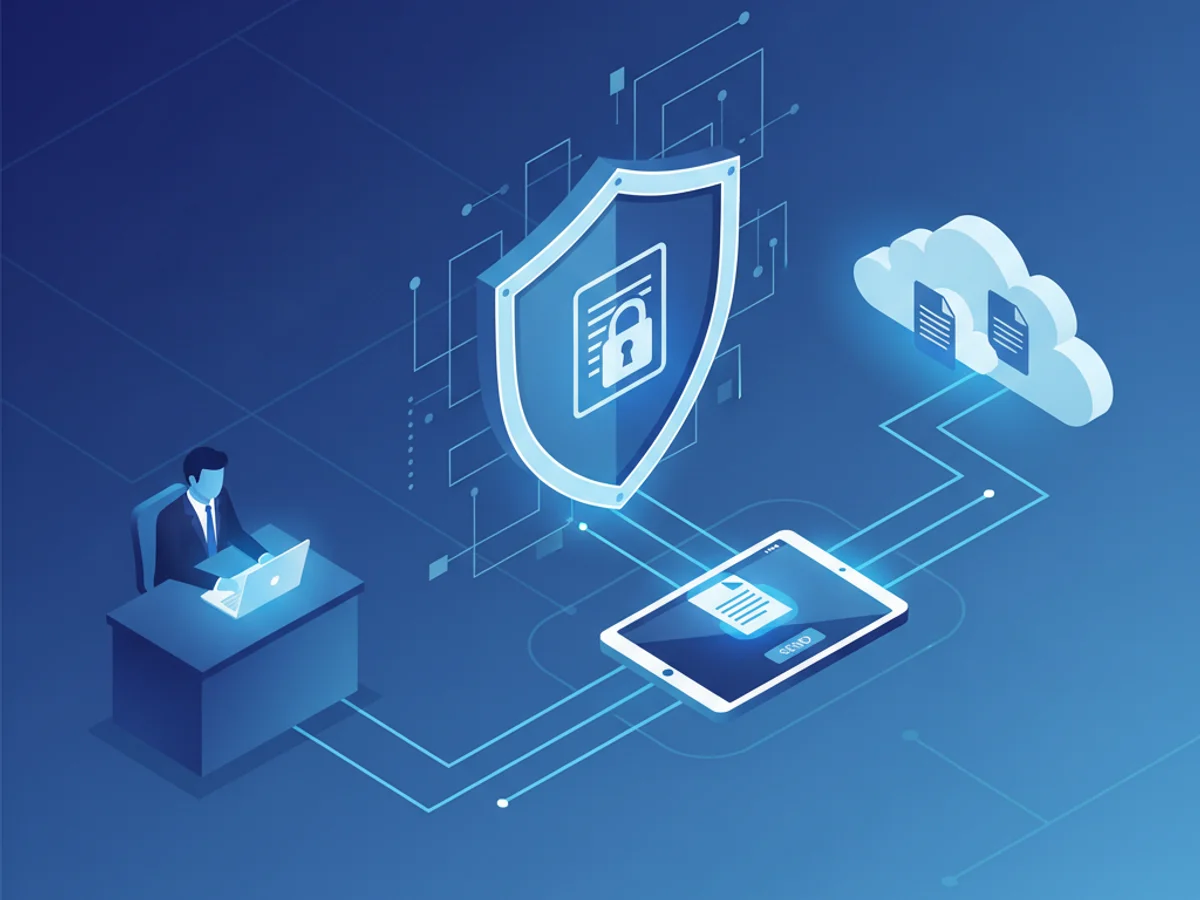
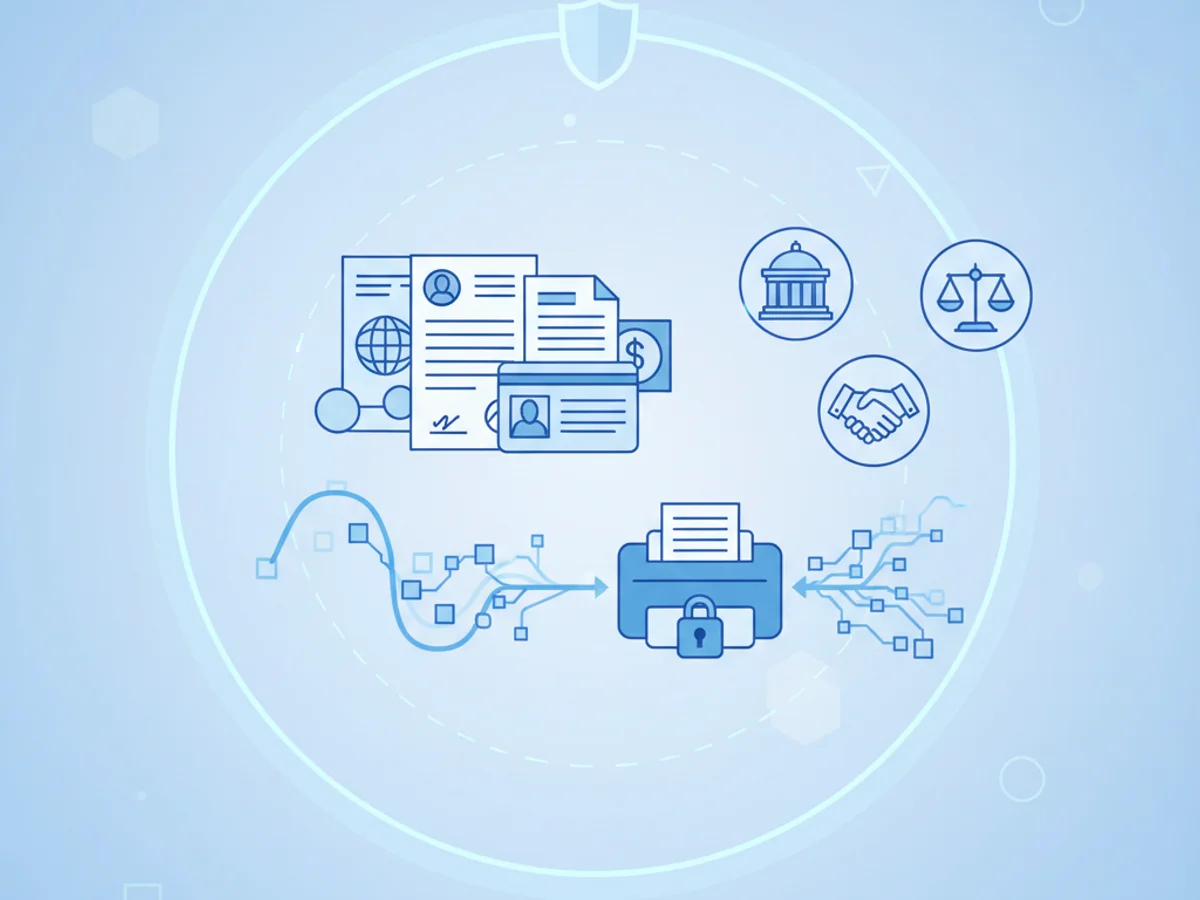
Immigration lawyers often work with highly sensitive client information — from birth certificates to financial records and government-issued IDs. These documents are critical for building cases, but they also carry an enormous risk if mishandled. Whether it's communicating with government agencies, submitting applications, or collaborating with other legal professionals, protecting client data while maintaining efficiency is non-negotiable.
But here’s the dilemma: When it comes to sharing sensitive documents, email is often not secure enough, and courier services or secure mail can be slow and cumbersome. That’s where faxing — yes, faxing — makes a surprising comeback. Modern online fax services provide a secure, streamlined way to send and receive documents while ensuring data protection. For immigration lawyers, this can be a game changer. Let’s explore how tools like browser-based faxing help immigration attorneys safely handle their faxing needs.
Why Faxing Still Matters for Immigration Law
While faxing may seem outdated in some industries, it’s still a staple in legal and government communications. Many agencies, such as U.S. Citizenship and Immigration Services (USCIS), continue to use fax machines or accept documents via fax because it's reliable, efficient, and more secure than email.
Immigration lawyers also face unique challenges. For instance:
- Government deadlines are often strict, and delays in documentation can have life-altering consequences for clients.
- Client confidentiality is paramount, but not all methods of communication offer adequate security.
- Lawyers need confirmation that documents have been delivered — especially when they’re working against time-sensitive deadlines.
A modern fax alternative like a browser-based service combines the reliability of faxing with the convenience of online tools. It allows immigration lawyers to retain that vital confirmation of delivery while ensuring their process is encrypted and secure for client protection.
How Browser-Based Faxing Works for Immigration Attorneys
Browser-based faxing is exactly what it sounds like: faxing through a web browser. With no hardware required, it eliminates the clunky fax machine while retaining the advantages of traditional faxing. Let’s walk through the process of securely faxing immigration documents using an online service.
Uploading the Documents
Immigration lawyers can upload sensitive client files directly through their browsers. BestFax.com supports formats like PDF, Word, and image files, making it easy to send scanned copies of visas, transcripts, or financial documents.Encrypting During Transmission
Security matters. With encryption protocols like TLS (Transport Layer Security), online fax services ensure that sensitive documents like Social Security numbers or notarized records are transmitted securely over the internet. Unlike traditional emails, which are more vulnerable to breaches, TLS encryption adds an extra layer of protection for sensitive immigration cases.Sending Without the Need for Extra Software
A downside of using traditional fax machines or even certain apps is the additional setup and compatibility requirements. By contrast, simple browser-based platforms work on Safari, Chrome, Firefox, and Edge without the need for software downloads. Immigration lawyers working on-the-go — whether in the office or court — can send documents from any device they already use, whether it’s a phone, tablet, or laptop.Tracking Delivery Confirmation
Delivery confirmation is crucial in immigration law. With browser-based faxing, every fax comes with a delivery receipt, allowing lawyers to verify that time-sensitive files — like those for visa extensions or court motions — reached the recipient. These confirmations act as an additional peace of mind, reducing the possibility of disputes over when documents were delivered.
Security Considerations and Limitations
While browser-based faxing offers significant advantages, it’s important to note its limitations when handling sensitive client information. For example:
- Some services, including BestFax.com, use TLS for secure transmission but do not offer formal healthcare compliance certification or Business Associate Agreements (BAAs). This means lawyers handling medical records or highly regulated data like asylum applications should ensure that their use of faxing tools aligns with client needs and regulatory requirements.
- Proper security hygiene still applies. For example, lawyers should always ensure devices accessing sensitive case files are secured with strong passwords and use trusted networks when sending online faxes.
Despite these limitations, browser-based faxing remains a safe and practical option for the majority of immigration-related communications — particularly when paired with other best practices for document handling.
Real-World Scenarios in Immigration Practice
Scenario 1: Emergency Client Filings
An immigration lawyer needs to send supporting documents to an immigration office before a critical deadline. Using BestFax.com, the lawyer uploads the scanned materials directly from their desktop browser and instantly transmits the files. A delivery confirmation proves the documents arrived on time, helping the client avoid penalties or delays.
Scenario 2: Collaboration With Co-Counsel
In a complex asylum case, two attorneys in different cities need to share affidavits and expert testimony. Instead of exchanging documents via unsecured email, they use browser-based faxing. This ensures the records are both accessible and encrypted during transmission.
Scenario 3: On-the-Go File Sending
An attorney traveling to an immigration court realizes they need to fax documents to a judge before the hearing. Without access to office equipment, they use their smartphone browser to upload and send the files securely. The process is seamless and ensures they meet their deadline without added stress.
Tips for Making the Most of Online Faxing
To get the full benefits of browser-based faxing, immigration lawyers should consider these tips:
- Organize Files Ahead of Time: Convert key client documents into PDF format for easy faxing on short notice.
- Utilize Cover Pages: Professional cover pages not only protect sensitive contents but also make it clear who the fax is intended for.
- Secure Your Account: Use strong passwords to ensure your online fax account is protected against unauthorized access.
By pairing these practices with tools designed for legal and professional use, immigration lawyers can manage sensitive documents safely and efficiently.
Conclusion
For immigration lawyers, securely faxing sensitive documents is not just a logistical function — it’s a critical part of serving clients and meeting regulatory deadlines. Online options like browser-based faxing offer an ideal mix of convenience, security, and reliability for handling sensitive case materials. Whether it’s transmitting financial records, visa filings, or affidavits, this approach ensures documents are delivered swiftly and securely.
Send your first fax at BestFax.com and streamline your practice with confidence.
Related Posts
How Immigration Attorneys Fax I-693 Medical Exam Packets Without RFE Delays
Practical guidance for immigration attorneys faxing I-693-related packets, RFE responses, and tracking documents while preserving clear records.
How Adoption Agencies Fax Home Study Reports Without Court Filing Delays
Adoption agencies can avoid court filing delays by preparing clean home study fax packets, verifying recipients, and saving delivery receipts.
How Camps Can Fax Medication Administration Forms Without Slowing Check-In
Practical ways camps can fax medication forms early, track confirmations, and keep health check-in moving without paperwork surprises.