How Remote Therapists Use Online Fax for Patient Consent Forms and Records
Managing Patient Paperwork Remotely: The Challenges Therapists Face
For remote therapists, maintaining patient privacy while handling consent forms and records can feel like walking a tightrope. Patients often need to sign and share sensitive documents, but relying on email poses security risks and isn’t always compliant with confidentiality standards. Meanwhile, the idea of asking clients to use outdated fax machines seems impractical in an increasingly digital world.
Browser-based fax services have emerged as a practical alternative. These tools make it easy for therapists to send and receive necessary paperwork without requiring physical fax hardware or complicated setups. The accessibility of online faxing fits well with the demands of telehealth workflows, and the encryption protocols provide an added layer of security that therapists appreciate.
Real-World Scenario: Sharing Consent Forms
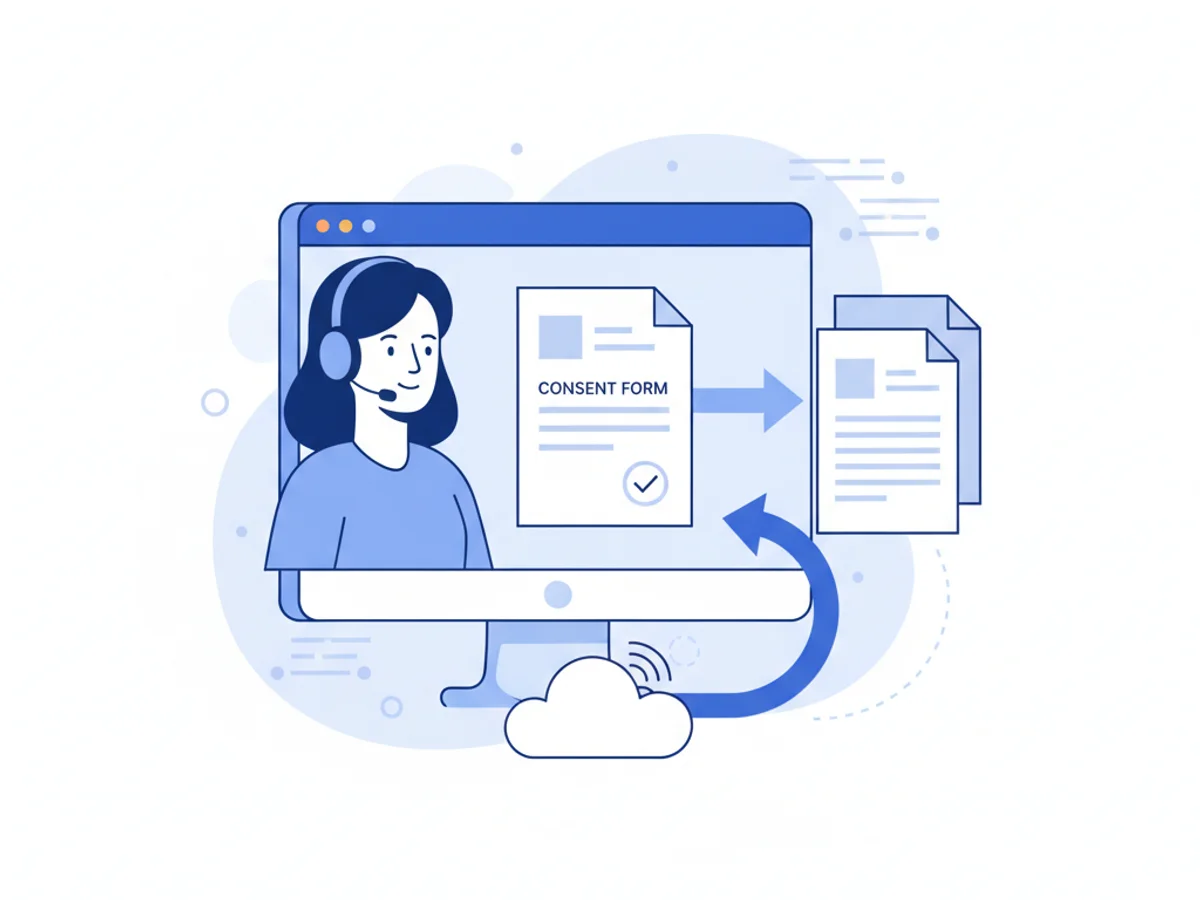
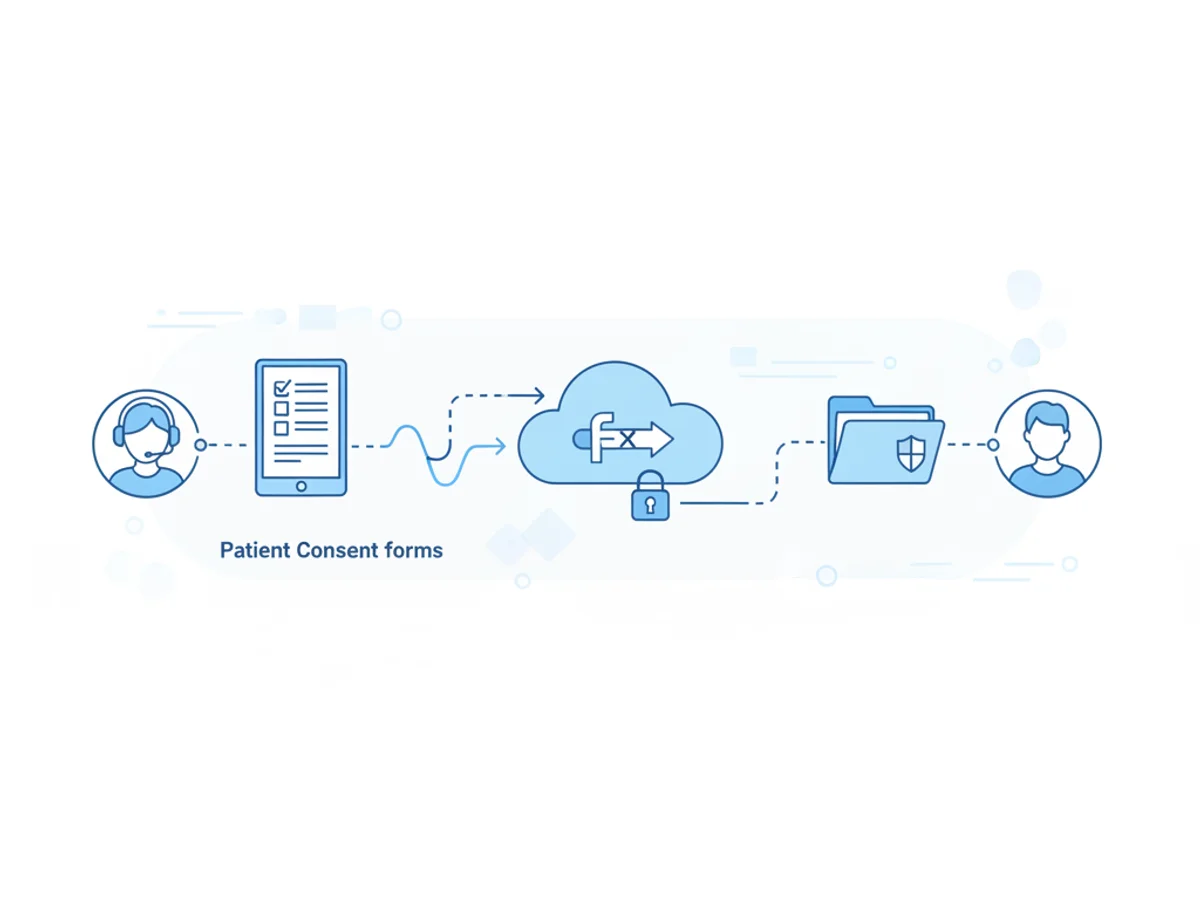
Let’s imagine Sarah, a mental health counselor who sees clients exclusively via video sessions. When onboarding new patients, she needs them to sign consent forms that outline her practice’s policies and obtain acknowledgment of telehealth-specific disclaimers. While Sarah could send these forms via email, many clients are hesitant to attach personally identifiable information (PII) without assurances their data will be secure.
Using an online fax service, Sarah simply uploads the PDF document to the platform from her laptop browser, enters her patient’s fax number, and hits send. Once received, the client prints, signs, and faxes it back directly to Sarah’s secure digital dashboard, eliminating the concern of sensitive documents sitting unprotected in an email inbox.
Why Remote Therapists Choose Online Faxing
Accessible Across Devices
Because browser-based fax tools work on computers, tablets, and phones, therapists can stay productive no matter their location — whether attending a virtual professional development workshop or catching up on paperwork after client sessions at home. No app downloads are needed, which also benefits therapists who prioritize simplicity.
Single Transactions vs. Subscriptions
Therapists appreciate the flexibility of using tools like this service for either one-time faxes or recurring monthly faxing needs. For instance, if you only occasionally send patient records, paying $4.95 per fax might be enough. However, subscription plans at $10/month are a convenient option for frequent users who often exchange documents like referrals, assessments, and invoices.
Security Without Excess Complexity
Many therapists need reassurance that sensitive information will remain secure. The encryption offered by this tool ensures that transmitted faxes are protected, though therapists should note that no formal healthcare compliance certifications or BAAs are provided. For private practice professionals, this requires considering specific compliance needs before relying solely on faxing for protected health information (PHI).
Faxing Patient Records to Specialists
Imagine another therapist, Kevin, who often collaborates with psychiatrists to provide integrated care for his clients. Kevin finds browser-based faxing particularly useful for sharing treatment notes and records with specialists. Rather than downloading an app or struggling to locate physical fax equipment, Kevin uploads a Word document on his desktop browser, adds a professional fax cover page (which is included in the service), and clicks send. Moments later, he receives confirmation that the fax was delivered successfully.
With this method, Kevin avoids unnecessary delays in communication — an essential benefit for time-sensitive cases where specialists need immediate access to patient information.
Tips for Using Online Fax Efficiently
- Organize Your Documents: Before faxing, save your files in commonly accepted formats like PDF or Word for seamless uploads.
- Use Professional Cover Pages: Including a cover page provides clarity, especially during multi-party communication.
- Confirm Every Transmission: Always save fax confirmation receipts for your records to maintain accountability.
- Assess Your Volume Needs: Choose between single-use or subscription pricing based on how often your practice shares paperwork.
Wrapping Up
For remote therapists, balancing patient accessibility, security, and efficiency is critical when handling consent forms and sensitive records. Browser-based faxing provides a convenient workaround to cumbersome traditional methods, allowing therapists to maintain a streamlined workflow while respecting patient privacy. For professionals exploring secure, simple digital fax solutions, send your first fax at BestFax.com.
Related Posts
How Title Companies Fax Payoff Statements Without Closing Delays
Payoff statements can stall closings when faxing is slow or disorganized. Learn practical steps title companies can use to send, confirm, and track payoff faxes.

How Immigration Attorneys Fax I-693 Medical Exam Packets Without RFE Delays
Practical guidance for immigration attorneys faxing I-693-related packets, RFE responses, and tracking documents while preserving clear records.
How Vascular Labs Can Fax ABI Reports to Referring Doctors Without Delays
Practical steps for vascular labs to fax ABI reports faster, reduce errors, and document delivery without relying on a single fax machine.