How Title Companies Fax Payoff Statements Without Closing Delays
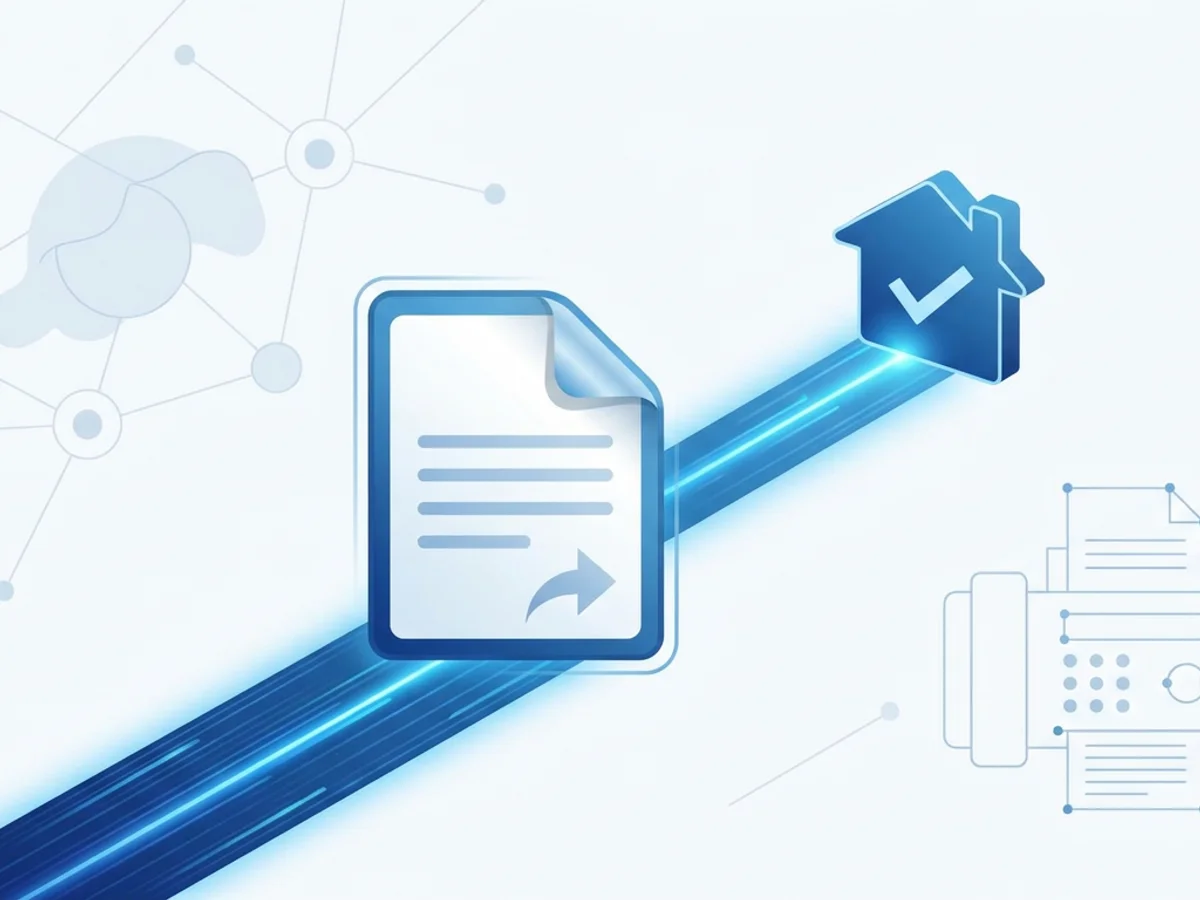
A payoff statement is one of those closing documents that can stall an otherwise smooth file. The buyer is ready. The lender has conditions cleared. The settlement statement is nearly final. Then someone realizes the payoff statement still needs to be sent, updated, or confirmed by fax before funds can be released.
For title companies, this is not a minor inconvenience. A missing or delayed payoff statement can affect wire timing, recording, disbursement, and the borrower’s confidence in the closing process. When a mortgage payoff, lien payoff, or equity line payoff has to move quickly, fax is still a common requirement because many lenders, servicers, and payoff departments continue to rely on faxed requests and faxed authorizations.
The good news: faxing payoff statements does not have to mean standing beside a machine, waiting for a busy signal to clear, or wondering whether the documents actually went through. With a practical workflow and browser-based faxing, title teams can keep payoff communication moving from any desk, closing room, or remote location.
Why payoff statements still cause last-minute closing pressure
Payoff statements sit at the intersection of accuracy, timing, and lender-specific procedure. A title company may need to request or transmit documents tied to:
- First mortgage payoffs
- Second mortgages and HELOCs
- Judgment liens
- Tax liens
- HOA or condo association balances
- Private lender notes
- Updated per-diem interest figures
- Borrower authorization forms
Even when the closing team is organized, payoff work often depends on outside parties. A lender may require a signed borrower authorization before releasing a payoff. A servicer may only accept payoff requests through fax. A payoff statement may expire before the closing date changes. A revised closing date may require an updated good-through date.
Consider a common Friday scenario: the file is scheduled to close at 2:00 p.m., but the mortgage payoff statement is only valid through Thursday. The processor requests an updated payoff in the morning. The lender asks for the request and borrower authorization by fax. If the office fax machine is tied up, out of toner, or inaccessible because the closer is working from a satellite office, the file can lose valuable time.
This is why title companies benefit from treating payoff faxing as a defined process rather than an improvised task. The question is not simply, “Can we send a fax?” It is, “Can we send the right documents, to the right fax number, with confirmation, quickly enough to protect the closing timeline?”
Build a payoff fax workflow that reduces rework
The fastest fax is not always the one sent first. It is the one that does not need to be corrected, resent, or chased down because something was missing. Before sending payoff statements or payoff requests, title teams can reduce delays by standardizing a few details.
Start with the payoff recipient. Payoff departments often have different fax numbers than general customer service, loss mitigation, lien release, or loan servicing departments. Sending a payoff request to the wrong department may still produce a successful fax confirmation, but it will not produce a timely payoff. Keep lender-specific payoff fax numbers in the file notes or closing software, and verify them against the most recent lender instructions when available.
Next, confirm what the recipient needs. A payoff request package may include:
- A signed borrower authorization
- Loan number or account number
- Property address
- Borrower name exactly as shown on the account
- Requested good-through date
- Title company contact name, phone number, email, and return fax number if applicable
- Closing date and estimated funding date
- Any required lender payoff request form
Small omissions cause real delays. If the loan number is missing or the authorization signature is outdated, the lender may reject the request or place it in a pending queue. That can cost hours, sometimes a full business day.
A professional cover page also helps. It should clearly label the transmission as a payoff request, updated payoff request, or payoff statement transmission. Include the file number, borrower name, property address, number of pages, and contact information for follow-up. If the lender receives hundreds of faxes per day, a clear cover page can make routing easier.
BestFax.com includes professional fax cover pages, which can be useful when a title company needs a clean, consistent presentation without creating a new template each time.
Finally, save the confirmation. A fax delivery receipt is not a substitute for lender processing, but it is important evidence that the transmission was sent. If the payoff department says it never received the request, the confirmation gives your team a starting point for follow-up: fax number, time sent, and delivery status.
How browser-based faxing helps when the closing clock is running
Traditional office fax machines can work fine until they become a bottleneck. Payoff work is often time-sensitive, and closings do not always happen neatly from one central desk. A processor may be working from home. A closer may be at a branch office. A manager may need to resend a corrected authorization from a laptop while reviewing final figures.
Browser-based faxing helps by moving the fax task into the tools your team already has nearby: a phone, tablet, or computer. With BestFax.com, users can send and receive faxes from any web browser, including Safari, Chrome, Firefox, or Edge. No app download required.
For title companies, that flexibility matters in several practical situations:
A closer discovers during the signing appointment that the payoff authorization needs to be resent with initials on a correction. Instead of returning to the office fax machine, the document can be uploaded and faxed from a browser after it is scanned or saved as a supported file.
A processor receives an updated payoff statement as a PDF and needs to forward it to another party that only accepts fax. The file can be sent directly from the browser rather than printed and re-scanned.
A satellite office has intermittent access to shared equipment. The team can still fax documents from a computer connected to the internet, avoiding delays caused by hardware issues.
A lender requests that a payoff demand be resent immediately because the original request went to the wrong internal queue. The title team can send the corrected package and retain a new delivery receipt for the file.
This is not about making fax glamorous. It is about removing friction from a process that still matters to closings. If a lender requires fax, the title company needs a way to satisfy that requirement without letting the fax machine dictate the closing schedule.
The service supports PDF, Word, and image file uploads, which covers common payoff-related documents such as signed authorizations, payoff requests, lender forms, scanned correspondence, and image-based documents. Fax confirmation and delivery receipts are provided, helping teams document the transmission in the closing file.
Security, documentation, and realistic expectations
Payoff statements contain sensitive financial information. Title companies should handle them carefully, regardless of whether they are sent by email, portal, mail, courier, or fax. Online faxing can fit into a careful workflow, but it still needs to be used with sound office procedures.
BestFax.com uses TLS encryption for fax transmissions. That helps protect transmissions in transit, but title companies should also pay attention to internal handling. For example:
- Upload only the documents needed for the specific transmission.
- Double-check the recipient fax number before sending.
- Use clear file naming internally so staff do not attach the wrong payoff statement.
- Limit access to payoff documents to team members working on the file.
- Store confirmation receipts according to your company’s closing file procedures.
- Follow lender instructions exactly when transmitting borrower authorizations or payoff requests.
It is also important to be honest about what fax confirmation means. A delivery receipt generally confirms the fax transmission status; it does not guarantee that the recipient has reviewed, approved, or processed the payoff request. Your team may still need to call the payoff department, check a lender portal, or follow up by email if allowed.
A good practice is to set internal follow-up intervals based on closing urgency. For example, if a payoff request is sent three days before closing, the processor may follow up later that day or the next morning. If it is sent on the morning of closing, a phone follow-up after the fax confirmation may be appropriate. The fax receipt shows that your side acted, but human follow-up often keeps the item moving.
Be careful with updated payoff statements as well. If a closing date changes, confirm whether the payoff amount remains valid. Per-diem interest, recording delays, rescission periods, holidays, and funding cutoffs can all affect the required payoff amount. Faxing quickly is useful, but sending an outdated statement quickly does not solve the problem.
A practical payoff fax checklist for title teams
When closings are busy, checklists prevent avoidable mistakes. A title company can use a simple payoff fax checklist like this before sending a payoff statement or request:
Confirm the correct payoff fax number
Do not assume the general servicing fax number is the payoff department fax number. Check lender instructions, prior file notes, or verified contact information.Confirm the document type
Are you sending a payoff request, borrower authorization, revised request, updated payoff statement, or supporting documentation? Label it clearly on the cover page.Verify borrower and property details
Match the borrower name, property address, and loan number to the lender’s records whenever possible.Check the good-through date
Make sure the requested or transmitted payoff date aligns with the scheduled closing and funding timeline.Include contact information
Give the payoff department a direct contact name, phone number, email address, and file number so they can resolve questions quickly.Count the pages
A cover page that says “6 pages including cover” helps both sides identify incomplete transmissions.Upload the correct file format
If you are using browser-based faxing, confirm that the document is saved as a PDF, Word file, or supported image file.Review before sending
A 30-second review can prevent sending the wrong borrower’s payoff statement or an unsigned authorization.Save the delivery receipt
Put the confirmation in the closing file or your company’s required document storage location.Follow up based on urgency
A same-day closing may require immediate phone follow-up after confirmation. A future closing may allow more routine monitoring.
This checklist is intentionally simple. The goal is not to add bureaucracy. The goal is to keep payoff faxing from becoming the weak link in the closing chain.
Where online faxing fits into title company operations
Some title companies still maintain a physical fax machine, and that may be perfectly workable for certain offices. The issue is redundancy and access. If the machine is busy, offline, or physically unavailable, the team needs another reliable path.
Browser-based faxing can serve several roles in a title operation:
- Backup when the office fax machine is down
- Primary fax method for remote processors or mobile closers
- A way to fax PDFs without printing
- A tool for urgent payoff requests outside the main office
- A method to receive faxed documents without waiting beside shared hardware
Pricing matters too, especially for offices that do not fax at the same volume every month. BestFax.com offers a $4.95 one-time fax option or a $10/month subscription. There is no free trial, so it is worth choosing the option that fits your actual fax volume. A title company that only needs occasional payoff faxing may prefer paying per fax, while a team sending and receiving faxes regularly may find the monthly subscription more practical.
The larger operational point is this: payoff faxing should not depend on one machine, one location, or one staff member. Closings involve enough variables already. Giving the team a browser-based option makes it easier to respond when a lender’s requirement appears late in the process.
Keep the closing moving without overcomplicating fax
Payoff statements are detail-heavy, deadline-sensitive documents. Title companies cannot control every lender queue or servicing department rule, but they can control how quickly and accurately documents leave their office.
A strong payoff fax process comes down to a few habits: verify the fax number, send a complete package, use a clear cover page, keep the delivery receipt, and follow up when timing is tight. Browser-based faxing supports that process by letting staff send and receive faxes from the devices they already use, without relying entirely on a physical fax machine.
If your next payoff request needs to go out quickly, send your first fax at BestFax.com.
Related Posts

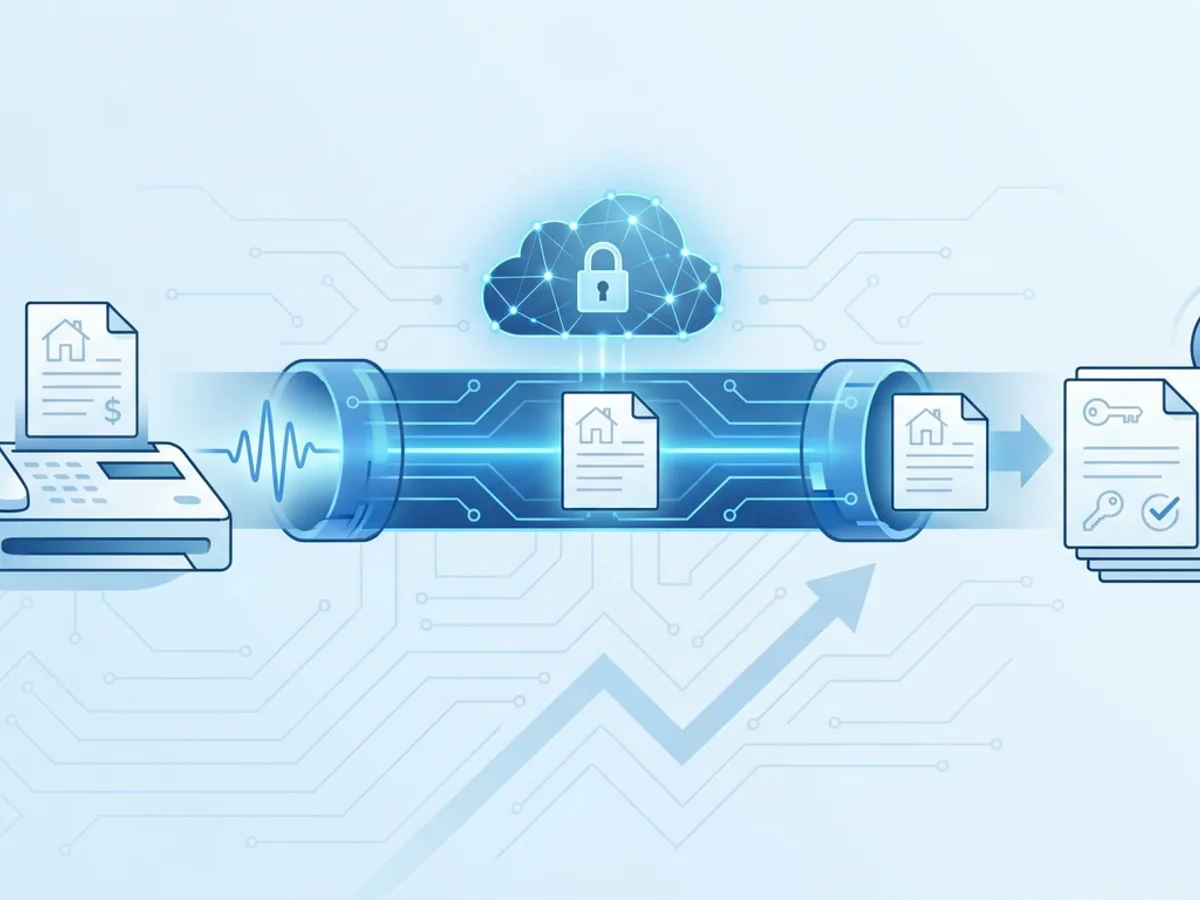
How Immigration Attorneys Fax I-693 Medical Exam Packets Without RFE Delays
Practical guidance for immigration attorneys faxing I-693-related packets, RFE responses, and tracking documents while preserving clear records.
How Vascular Labs Can Fax ABI Reports to Referring Doctors Without Delays
Practical steps for vascular labs to fax ABI reports faster, reduce errors, and document delivery without relying on a single fax machine.
How Crisis Counselors Fax 988 Follow-Up Referrals Without Care Delays
Practical guidance for crisis counselors sending 988 follow-up referrals by fax without slowing handoffs or losing delivery confirmation.